Introduction
In the sector of semiconductor packaging and microelectronic meeting, two dominant twine bonding ways stand out: wedge bonding and ball au ball wire bonding bonding. Both tips are important in guaranteeing reputable interconnections among chips and substrates, however they come with certain characteristics, benefits, and programs. This article delves deep into the intricacies of these two twine bonding systems, presenting a accomplished diagnosis to discern which technique reigns splendid in varying situations. Whether you’re a professional engineer or simply starting your ride in twine bonding generation, this marketing consultant will equip you with helpful insights.
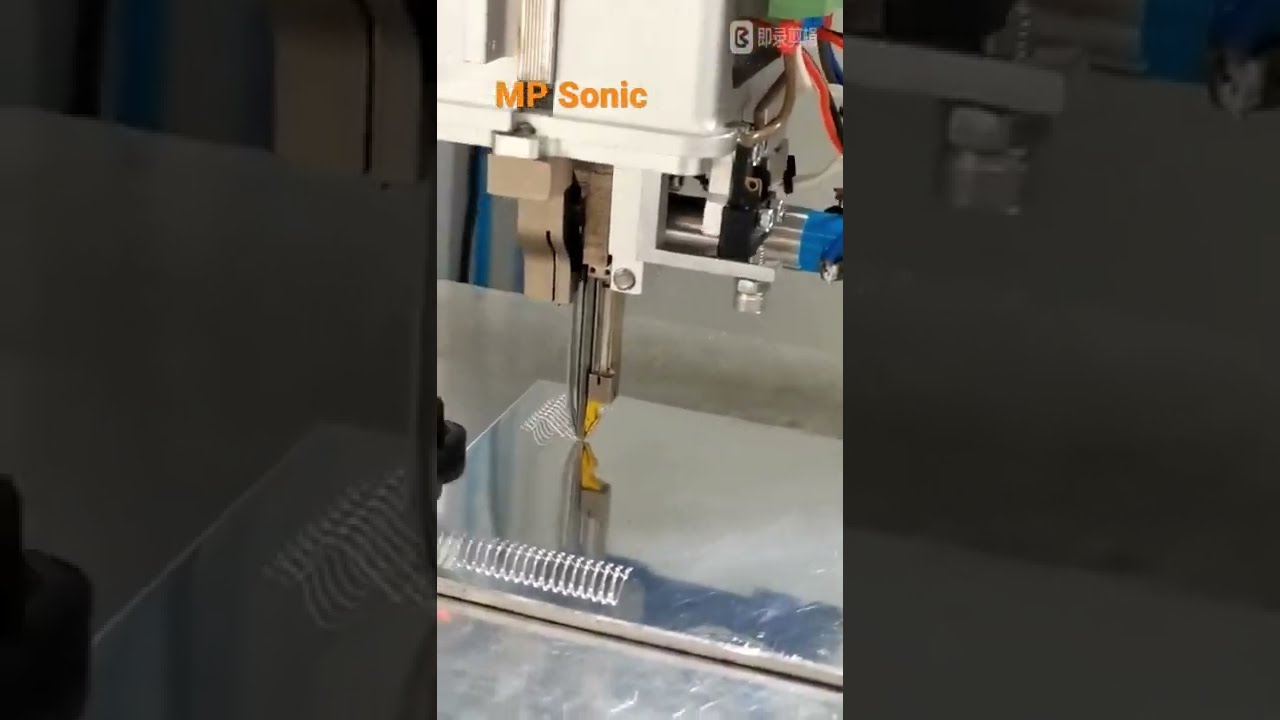
What is Wire Bonding?
Wire bonding is a job used to create electrical connections among semiconductor instruments and their applications. It comprises using skinny wires—generally constituted of gold, aluminum, copper, or silver—which can be thermally or ultrasonically bonded to pads on a chip and substrate. The wire bonding process is vital for excessive-efficiency electronics as it quickly affects reliability, functionality, and general gadget satisfactory.
The Wire Bonding Process Explained
The wire bonding process is usually broken down into quite a few key steps:
Preparation: The surfaces of the chip and substrate are cleaned to dispose of any contaminants that can have an affect on bond high quality. Wire Selection: Depending at the application, engineers desire terrifi constituents (gold, aluminum, copper) dependent on explanations like conductivity and charge. Bond Formation: The selected manner (wedge or ball bonding) is carried out the use of specialized cord bonding apparatus. Inspection: Post-bonding inspection ensures that the connections meet pleasant standards simply by plenty of trying out ways.By know-how how cord bonding works, you could realize its integral position in brand new electronics production.
Types of Wire Bonding Techniques
Wire bonding encompasses quite a few processes adapted for detailed functions:
- Ball Bonding: Involves forming a ball at the stop of the twine before creating a bond. Wedge Bonding: Utilizes a wedge-formed instrument to create bonds devoid of forming a ball on the quit. Ribbon Bonding: Uses wider ribbons in place of typical wires for large floor regions.
Each sort has its designated set of features that influence functionality in exceptional scenarios.
Wedge vs Ball Bonding: A Comparative Overview
When evaluating wedge vs ball bonding ideas, it's principal to analyze their core modifications:
1. Bond Formation Mechanism
- Ball Bonding:
- Begins with heating the twine's finish to style a small ball. The ball is then pressed in opposition t the bond pad the use of ultrasonic strength to create a potent attachment.
- Uses a wedge tool that presses down on the wire devoid of forming a pre-bonded sphere. Bonds are created via mechanical pressure mixed with warm (thermosonic) or ultrasonic vigour.
2. Material Compatibility
Each manner favors assorted fabrics:
- Ball bonding predominantly uses gold by reason of its more advantageous conductivity. Wedge bonding can make use of aluminum or copper wires nicely.
three. Applications and Industry Use Cases
Both techniques to find their niche throughout alternative sectors:
- Ball Bonding:
- Widely used in microelectronics like IC packaging because of the its compatibility with wonderful pitch applications.
- Preferred in continual modules and automobile electronics wherein bigger pads are universal.
4. Cost Consideration
Cost plays an worthwhile role in picking out among these systems:
| Feature | Ball Bonding | Wedge Bonding | |------------------|--------------------------|---------------------------| | Material Cost | Higher (Gold) | Lower (Aluminum/Copper) | | Equipment Cost | Typically increased | Generally scale down |
five. Reliability Factors
Reliability is paramount in digital packages:
- Ball bonds tend to demonstrate enhanced fatigue resistance under thermal biking circumstances. Wedge bonds supply fine moisture resistance as a result of their cut pressure ranges on pads.
Detailed Analysis of Wedge Bonding Process
What Makes Wedge Bonding Unique?
Wedge bonding sticks out due to the its basic but useful mechanism for creating good connections between chips and substrates with no need a pre-bonded sphere:
Key Advantages
Material Versatility: Can use a number twine forms such as aluminum or copper. Lower Stress: Reduces mechanical stress on pads in contrast to different tactics. Ability for Deep Access: Ideal for stacking dies or running within restricted areas as a consequence of its design flexibility.Applications
Wedge bonding reveals software across multiple industries which include:
- Automotive electronics Power modules Aerospace components
Understanding Wedge Wire Bonding Machines
The luck of wedge bonding heavily is dependent on difficult methods designed especially for this rationale:
Ultrasonic Wedge Bonders: Utilize ultrasonic calories for bond formation; fabulous for light-weight programs. Thermosonic Wedge Bonders: Combine heat with ultrasonic energy; successful while handling more troublesome substances like copper.In-depth Look at Ball Bonding Process
What Defines Ball Bonding?
Ball bonding is pretty much favored in excessive-density applications where area is restrained but functionality necessities remain high:
Key Features
Fine Pitch Capability: Allows connections at micro-stage pitches bettering ordinary circuit density. Gold Wire Usage: Offers greater conductivity but comes at an expanded material money. Established Technology: Has been around longer than wedge bonding making it generally understood with the aid of practitioners.Applications
Ball bonding excels specially in sectors consisting of:
- Microelectronics Telecommunications High-frequency RF applications
Exploring Ball Wire Bonding Machines
To achieve superior performance at some point of ball bonding methods, really expert machinery is applied:
Thermosonic Ball Bonders: Integrate warmness for the time of bond formation which improves adhesion homes noticeably. Automatic Ball Bonder Machines: Facilitate mass construction at the same time making certain precision in each bond created.Evaluating Wire Bond Quality Control Measures
Quality keep watch over in the course of both strategies will not be overstated as it immediately influences yield fees and product reliability:
1. Inspection Methods
Various inspection recommendations be certain that bonds meet stringent industry concepts:
| Inspection Method | Description | |-------------------------|--------------------------------------------------| | Visual Inspection | Manual checks by operators using magnification | | Pull Test | Evaluates the energy of special bonds | | Shear Test | Assesses adhesive capability among layers |
2. Common Failure Modes
Understanding capability failure modes facilitates mitigate hazards linked to equally technology:
For Ball Bonds:
- Incomplete Bonds Oxidation Issues
For Wedge Bonds:
- Heel Cracking Pad Damage
Implement rigorous inspections put up-manner to trap problems early sooner than they affect downstream creation phases.
Advantages and Disadvantages of Each Technique
When finding out among wedge vs ball bonding, evaluate these professionals and cons that can influence your production line judgements greatly:
Advantages of Ball Bonding
Fine pitch strength facilitates compact designs elementary for complicated technology integration. Established method capability significant make stronger sources are out there adding tutorials and videos on-line.Disadvantages of Ball Bonding
Higher expenses associated with gold supplies may also deter funds-wide awake tasks. More complex equipment required when compared to a few preferences equivalent to wedge strategies.Advantages of Wedge Bonding
Lower operational rates owing widely to cheaper raw resources like aluminum or copper wires used incessantly throughout industries. Enhanced environmental resilience probably interprets into increased reliability through the years tremendously under intense prerequisites undemanding within automotive applications.Disadvantages of Wedge Bonding
Limited applicability bearing on high-quality pitch specifications in which tightly packed circuitry exists disturbing trade treatments like ball bonds alternatively could yield bigger outcome total from either efficiency & effectiveness perspectives alike.FAQs About Wedge vs Ball Bonding Techniques
Here are a few primarily asked questions relating to those two mandatory methods:
1. What’s the regular difference between wedge and ball bonding?
The general distinction lies of their bond formation mechanism; ball bonding uses a melted sphere even though wedge employs direct pressure with out pre-formations resulting in specific blessings founded on program demands!
2. When need to I want one manner over any other?
If you're looking at compact designs concerning wonderful pitches—opt for ball bonds! However if operating within vigour modules requiring toughness—wedge would possibly serve most appropriate the following instead!
3. Are there specific elements merely good for one methodology?
Yes certainly! Gold works perfect with balls at the same time aluminum/copper excel beneath wedges! Make definite you decide on accurately headquartered upon your assignment requisites!
4. How does each one way impact lengthy-time period reliability?
Generally conversing—a properly-executed ball bond reveals most well known fatigue resistance! While wedges provide really good moisture safe practices guaranteeing sturdiness regardless!
5.Who offers workout tools on those tactics?
Many universities be offering programs along many different on-line structures internet hosting tutorials & webinars focused explicitly upon modifying potential around those vital technologies!!
Conclusion
Choosing among wedge vs ball bonding subsequently boils down personal selection dictated by designated venture parameters—concerns together with materials collection,charge factors,and wanted functionality result play pivotal roles influencing this selection-making activity immensely!
Both tricks have specific strengths; subsequently knowledge your program’s distinctive demands helps you leverage both strategy without problems even as maximizing productivity yields across production cycles ahead!